First place at the World Inventions Competition in Germany in 2007, with Iran's national team of inventors

Founder and originator of the methodIndependent scientific direction
About the Bigdeli Neurocognitive Learning Center
Bringing together experience, learning andneurocognitive science
An official introduction to Mojtaba Bigdeli Shamlou, the scientific team, and the Bigdeli Neurocognitive Learning method: a complementary, non-invasive, drug-free framework that supports the learning and relearning of motor, cognitive, verbal, sensory and behavioral functions.
140+Ideas and inventions designed
41Registered patents
2007First place worldwide, Germany
1994Scientific director's career began
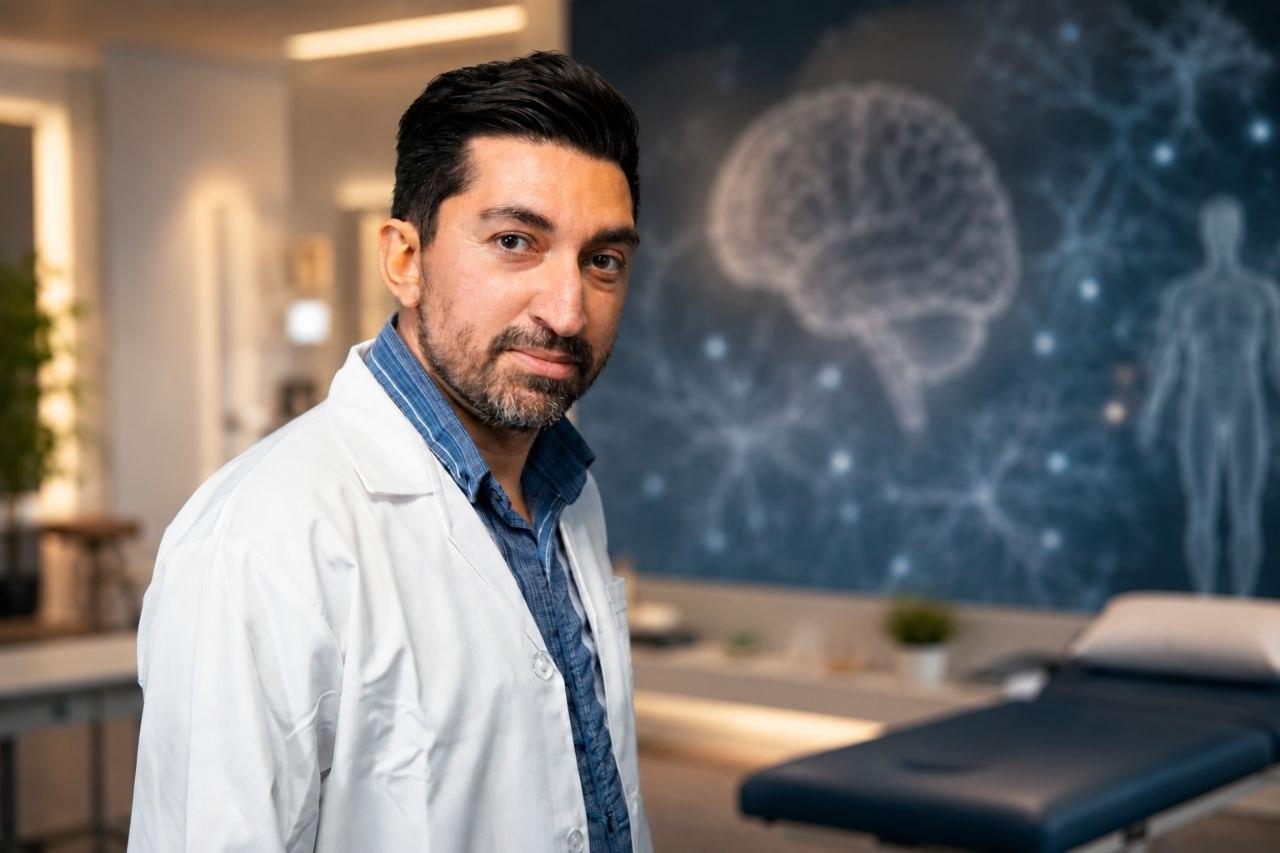
Originator of the science of mind simulationFounder of the NCL method
Originator and project director
Mojtaba Bigdeli Shamlou
Researcher, inventor and originator of the Bigdeli Neurocognitive Learning method
Read moreHe holds a master's degree in psychology and a DBA in psychology. His work centers on designing new models for teaching and relearning motor, cognitive, verbal and behavioral functions.
This approach is grounded in concepts such as neuroplasticity, experience-dependent learning, sensory feedback, purposeful repetition and the functional reorganization of neural networks. He has designed more than 140 ideas and inventions in psychology, behavioral science, artificial intelligence, robotics, educational equipment, the automotive industry and sport, and holds 41 registered patents.
Master's in psychologyDBA in psychologyResearcher and inventorAFC C-licensed coach
Professional journey
Key achievements and honors
A combination of research, invention, teaching and hands-on experience in psychology, learning and sport.
Named Outstanding Young Person of Khuzestan Province in 2009
Selected speaker at the International Conference on Innovations in Psychology in 2016 and 2017
Selected speaker at the Football Clinic Conference in 2019
Author of the books "Mind Simulation" and "The Definitive Treatment of Stuttering", with published scientific research articles
Founder of the "Smart Football" coaching style and holder of an AFC C coaching license
His work with clubs in Iran's Premier Football League, the national university team and futsal teams is also part of the hands-on experience behind his design of learning and performance models.
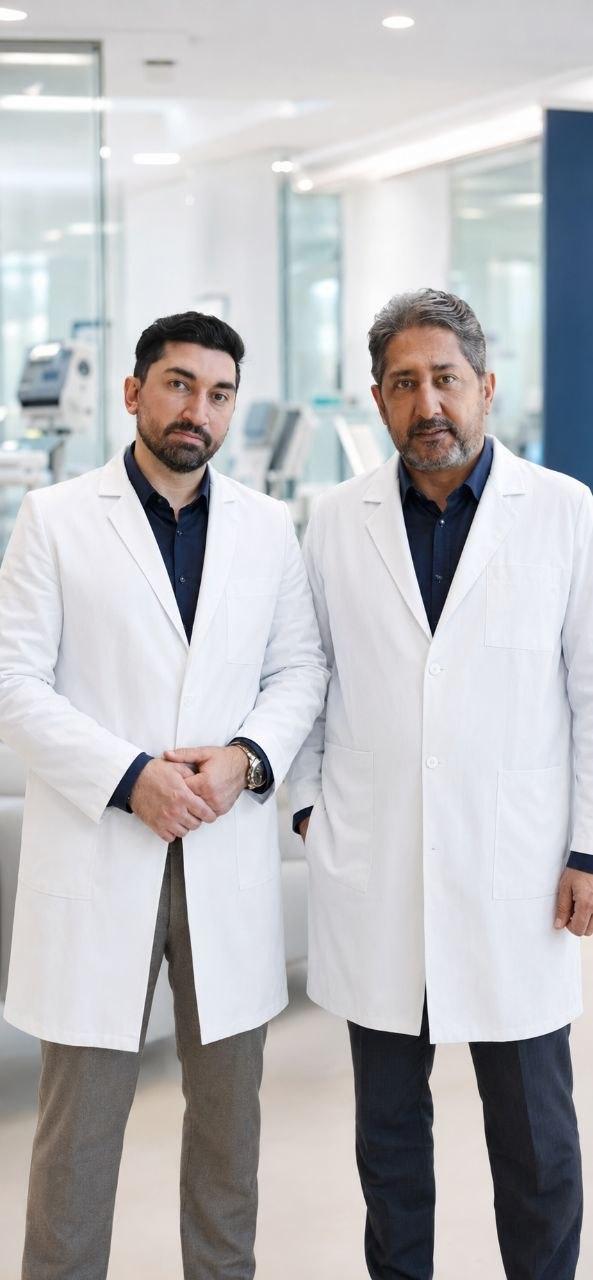
The project's scientific structure
Collaboration between method design, quality control and independent evaluation of results
Project scientific director
Dr. Hamid Kamarzarin
Assistant Professor of Clinical Psychology and faculty member at Payame Noor University
He holds a PhD in psychology, a master's degree in educational psychology and a bachelor's degree in clinical psychology. He is a member of the Psychology and Counseling Organization of the Islamic Republic of Iran (membership no. 1314) and holds specialist practice license no. 1783.
Dr. Kamarzarin has been active in university teaching and education since 1994 and was named Outstanding Researcher of Alborz Province in 2016. His areas of work include clinical, developmental and positive psychology, mental health, learning, stuttering and mind simulation.
Role in the NCL project
Contributing to the development of the scientific framework, quality control, coordination with academic and clinical centers, selection of assessment measures, and oversight of the analysis and reporting of results.
What is the Bigdeli Neurocognitive Learning method?
Bigdeli Neurocognitive Learning, or NCL, is an educational, drug-free and non-invasive approach designed to help retrain certain sensory, motor, cognitive, speech and behavioral abilities.
Read moreAreas of assessment and work
A comprehensive view of the person's function
The center's research and educational scope covers limitations that arise from injury to or disorders of the brain, spinal cord, peripheral nerves or muscles, or from the developmental process. Admission to the program always follows a review of the person's condition and takes place within a safety framework.
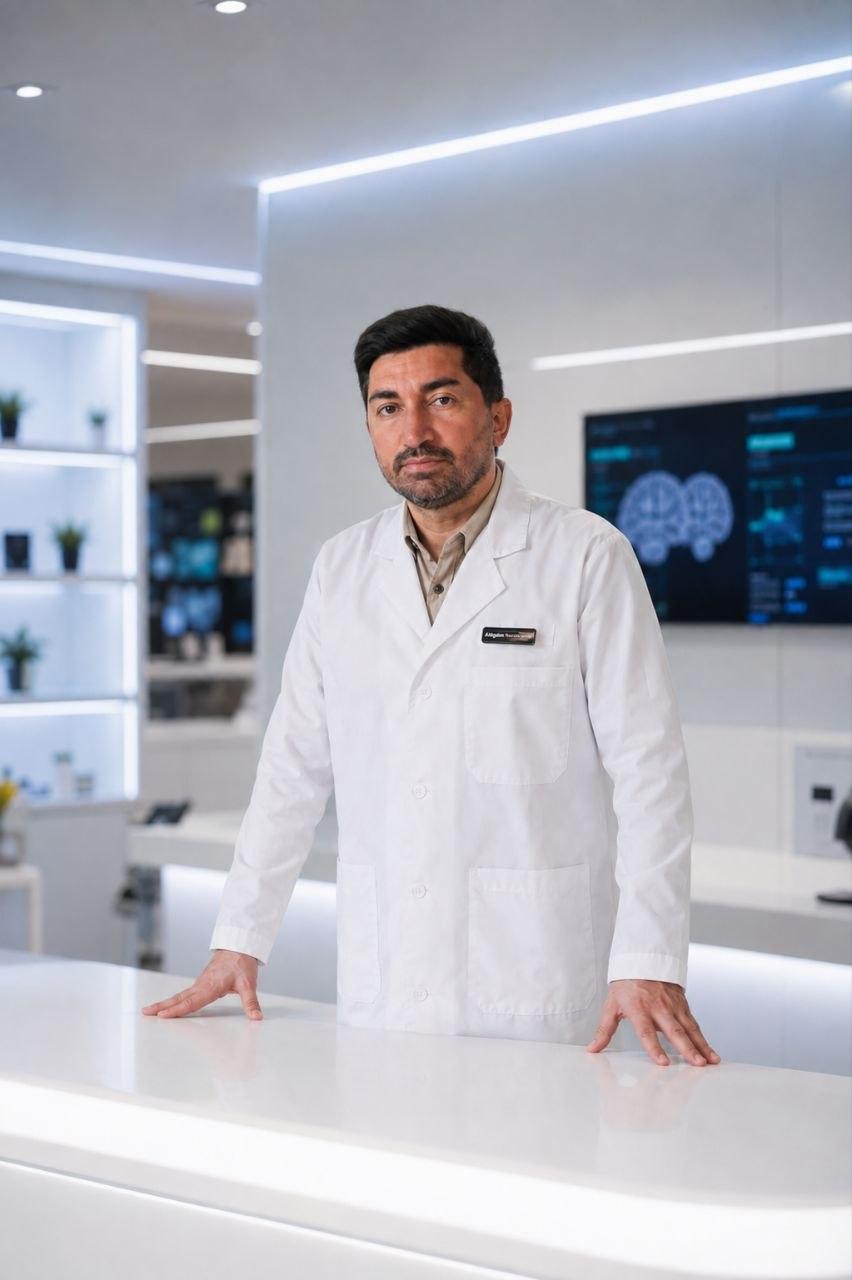
Brain and central nervous system injuries
- Ischemic or hemorrhagic strokes and brain hemorrhages
- Traumatic brain injury, concussion and hypoxia
- Effects of surgery or treatment for tumors, infections and neuroinflammation
- Motor, cognitive, visual, hearing and speech limitations caused by brain injury
- Reduced level of consciousness, in the stable phase and only after medical assessment
Neurological and degenerative diseases
- Parkinson's disease, Alzheimer's disease and cognitive disorders
- Multiple sclerosis (MS) and amyotrophic lateral sclerosis (ALS)
- Motor neuron diseases, ataxia and cerebellar atrophy
- Disorders of balance, coordination and motor control
Neuromuscular and genetic diseases
- Spinal muscular atrophy (SMA) and Charcot-Marie-Tooth disease (CMT)
- Muscular dystrophies, including Duchenne, leukodystrophies and myopathies
- Neuropathies and nerve or muscle weakness of genetic or acquired origin
- After-effects of polio and peripheral nerve damage caused by trauma, pressure, surgery or injection
Spinal cord injuries and disorders
- Complete or incomplete spinal cord lesions caused by accidents, falls, surgery or disease
- Sensory and motor disorders and limb weakness or paralysis at different lesion levels
- Difficulties with balance, standing, weight shifting and walking
- Motor limitations across different grades of spinal cord injury
Developmental and congenital disorders
- Cerebral palsy (CP), autism spectrum disorder and Down syndrome
- Microcephaly, hydrocephalus and their functional consequences
- Intellectual disability and developmental, motor and speech delays
- Learning disorders and difficulties with attention and memory
Movement, cognition, speech and communication
- Motor weakness and difficulties with balance, coordination, precision and movement sequencing
- Speech and fluency disorders, including stuttering
- Difficulties with memory, attention, learning and executive functions
- Limited self-care skills and activities of daily living
- Functional visual and hearing disorders caused by neurological damage
Seizures and epilepsy: only with medical assessment and supervision
Participation by people with a history of seizures, especially drug-resistant epilepsy, depends on assessment by a neurologist, a review of seizure control and current medications, and the setting of safety limits. NCL does not replace medication or standard epilepsy treatment.
Functional goals matched to each person's capacity
The aim is not to promise the same result for everyone, but to design a measurable path for learning, maintaining or relearning function.
Responses differ from person to person, and no response or only a limited response is also possible.
1
Facilitating voluntary limb control within the remaining capacity of the nervous system
2
Learning or relearning sitting, standing, keeping balance and walking
3
Improving coordination, timing, precision and sequencing of movement
4
Strengthening cognitive skills, attention, memory and learning
5
Teaching speech, breathing and communication patterns
6
Helping increase independence in daily activities
7
Maintaining function and reducing dependence in progressive diseases
8
Consolidating learned skills and generalizing them to real-life settings
Inside the center
Team, research and scientific setting
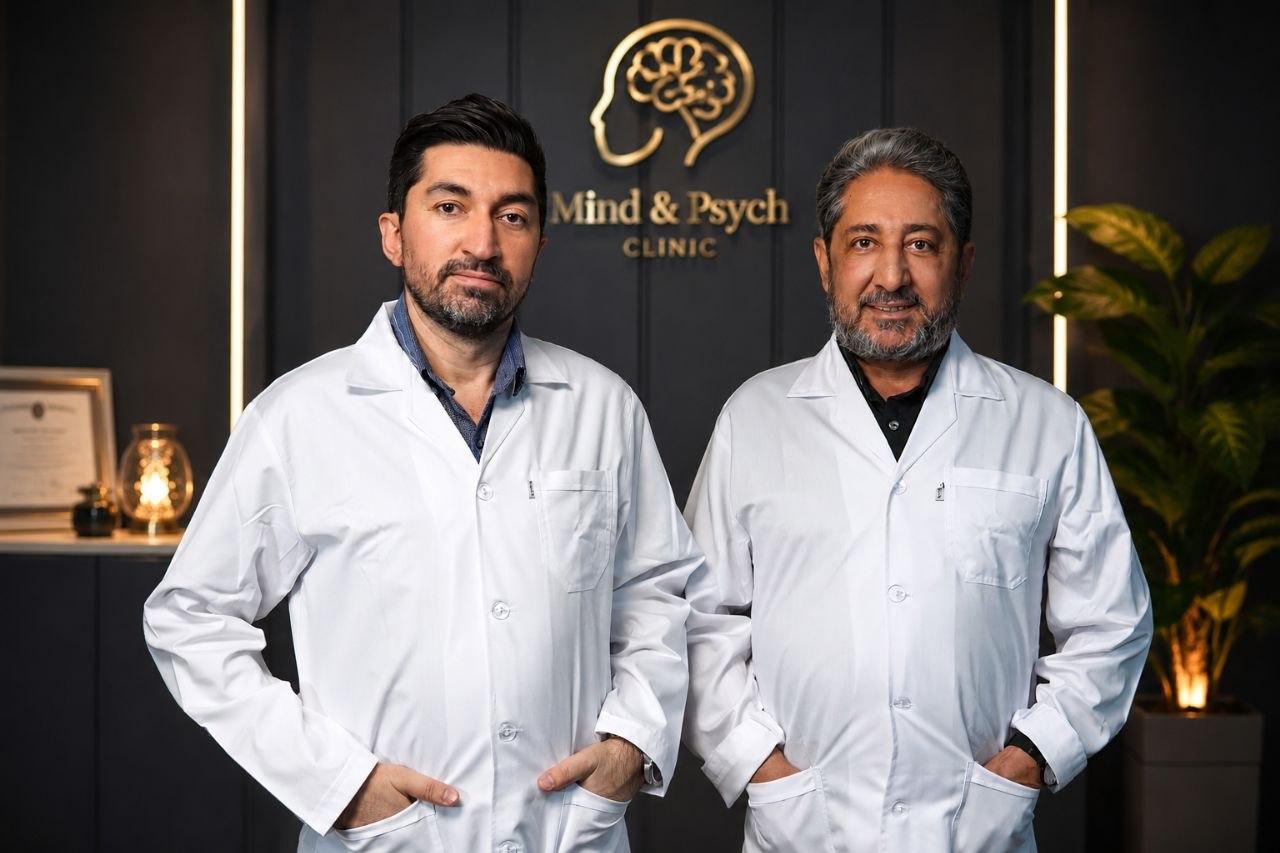
People, method and research
Mojtaba Bigdeli Shamloo
Psychologist, inventor, researcher and developer of Bigdeli Neural-Cognitive Learning: a professional journey connecting engineering, learning and the study of the human mind.
Read moreWhat is Bigdeli Neural-Cognitive Learning?
An introduction to the NCL theoretical framework, its terminology and the questions that remain for scientific evaluation.
Read moreRelated research and publications
Accessible sources on Mind Simulation and NCL, distinguishing reported findings, limitations and publication status.
Read moreScientific and professional commitment
Transparency, safety and independent evaluation
Observed functional outcomes can serve as a basis for forming hypotheses and designing scientific studies, but NCL does not replace medical diagnosis, medication, surgery, physiotherapy, occupational therapy, speech therapy or other standard services. The center aims to work with scientific, clinical and academic institutions on controlled pilots, independent evaluation, defining the scope of application, and building a safe, documented and reproducible protocol.
Bigdeli Neurocognitive Learning Center
To choose the right path, begin your assessment with a specialist conversation.
Every person's situation is different; before recommending a program, the center's team reviews the initial information and functional needs.